Quite different from sustainable travel, there’s what’s been dubbed greenwashing. Sounds clean. It Isn’t.
Greenwashing is done when travel operations create the illusion of climate-action progress where little or none exists. These operators minimize or cover up environmentally harmful practices, labeling themselves as “green” or “eco-friendly,” while making vague or inflated claims about their practices to reduce contaminating emissions. The result: not only are travelers misinformed, but real damage is done to ecosystems and the lives of people who live within them.
In Ecuador, a number of travel initiatives operate differently.
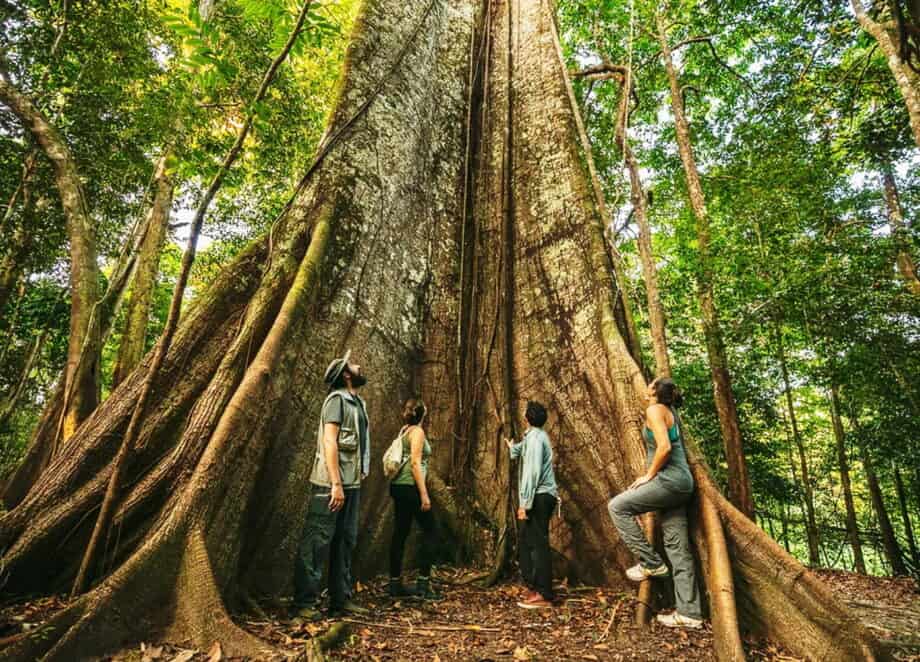
Here, the most compelling journeys for adventurous travelers are built around outcomes, not optics. These are efforts working to achieve the active sustainability of ecosystems and improvements in local communities. From the Andes to the Amazon – not forgetting our Galapagos islands – this compact South American nation is a pioneer in community-led sustainable tourism.
Here, we take a look at how visits to Ecuador can and do make concrete impacts on environmental conservation, education, and the well-being of indigenous communities. For the traveler, this is about traveling ethically.
The meaning of sustainable eco-tourism in Ecuador
In broad general terms, the focus of several tour operations in Ecuador is about providing travel in a way that’s sensitive to the climate as well as the people and place, ensuring that your visit results in all-around wellbeing and long-term benefits.
It’s a calculated action of maximizing the benefits of travel while minimizing or eliminating the negatives. Sustainable eco-tourism in Ecuador goes beyond “green”— it’s about who benefits, who decides, and what survives after you leave.
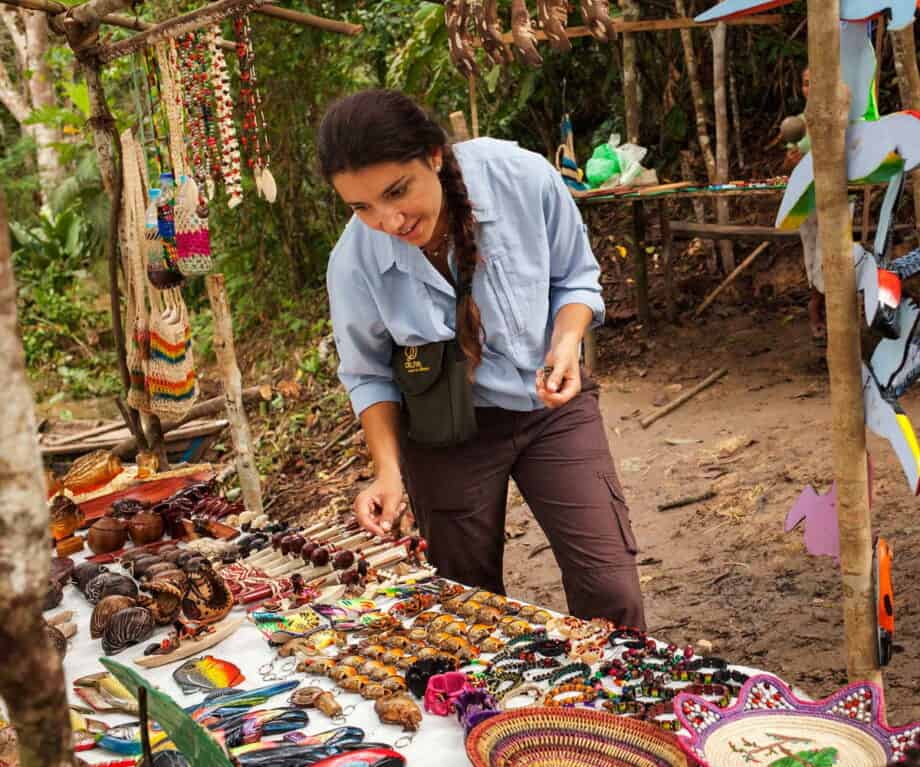
When done right, what’s left behind from the visits by travelers isn’t damage; it’s income that stays local, a reason to protect what matters, a future that’s that much better because those who came and didn’t take more than they gave.
A country where eco-tourism is economically viable
In practical terms, by possessing the most compressed biodiversity system on Earth, Ecuador provides the world’s most accessible biodiversity for travelers and researchers. It’s arguably the only place on the planet where global ecological diversity can be experienced within a single itinerary.
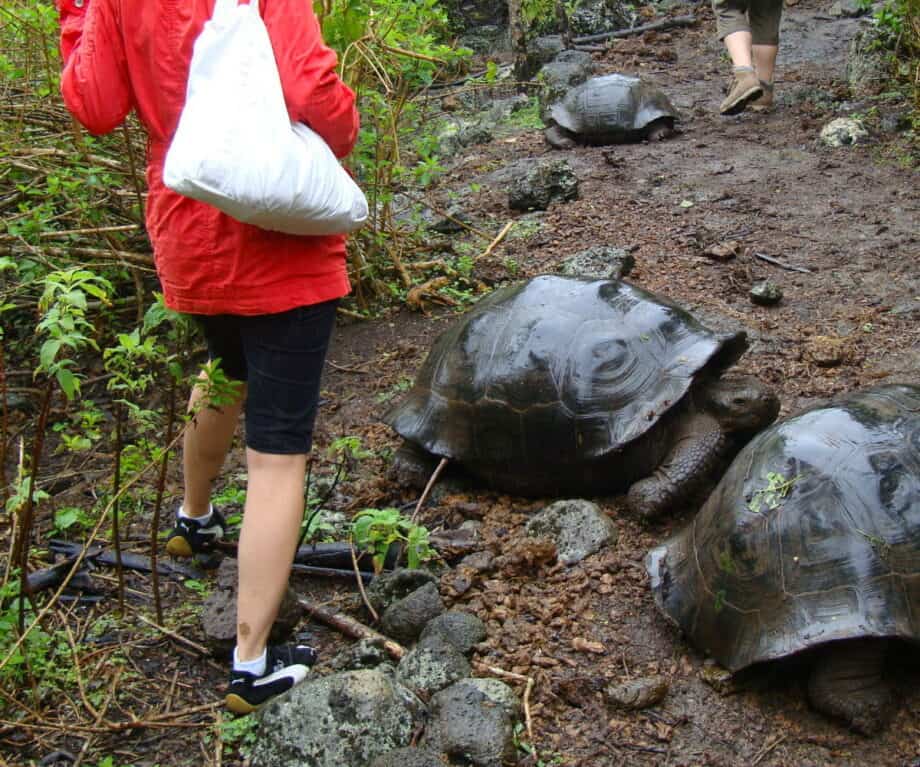
Don’t take our word, take a look at the numbers. Occupying a mere 0.2% of Earth’s land (one-fifth of one percent!), Ecuador possesses 10% of the world’s plant species, nearly 18% of all bird species (over 1,600 in total), 15–20% of the world’s orchid species (4,500), and around 8% of global mammals. Clearly punching way above its weight, this makes Ecuador one of the most densely — and thereby accessible — biodiverse countries on the planet.
Because of this exceptional biodiversity concentrated in such a small territory, Ecuador’s advantage is structural – allowing eco-tourism to become economically competitive with extractive industries, at least in certain regions.
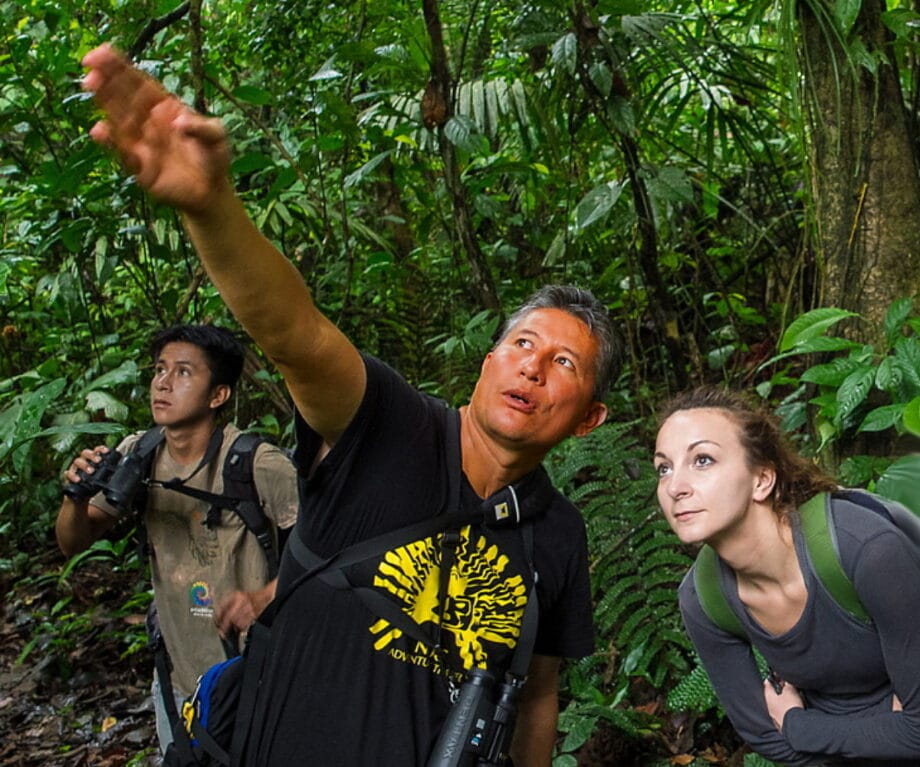
This can be seen in the Andean highlands, where families that once depended on agriculture are pivoting toward eco-driven tourism. It’s also surprising to see how even birdwatching can transform erstwhile marginal cloud forests into protected reserves, or how it’s now more profitable to preserve foothill habitat than to clear it.
A mental pirouette is being performed: land is increasing in value not for what can be taken from it, but for what remains intact.
The indigenous-led hospitality industry
In the Ecuadorian Amazon. too, you note that somewhere beneath the thick green canopy, something uncommon is happening: tourism that doesn’t strip the place bare. Instead, you’ll find international visits that, against the odds, leave places better than they found them.
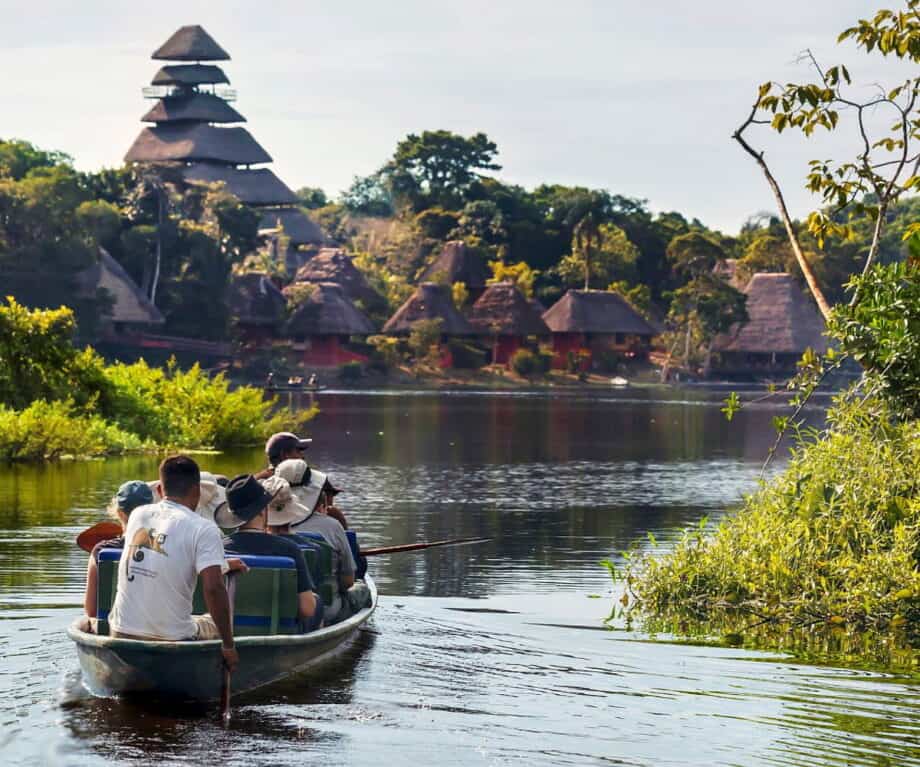
In places like the Napo Wildlife Center (a luxury eco-lodge), every stay leaves a trace – but not the disruptive types one might expect.
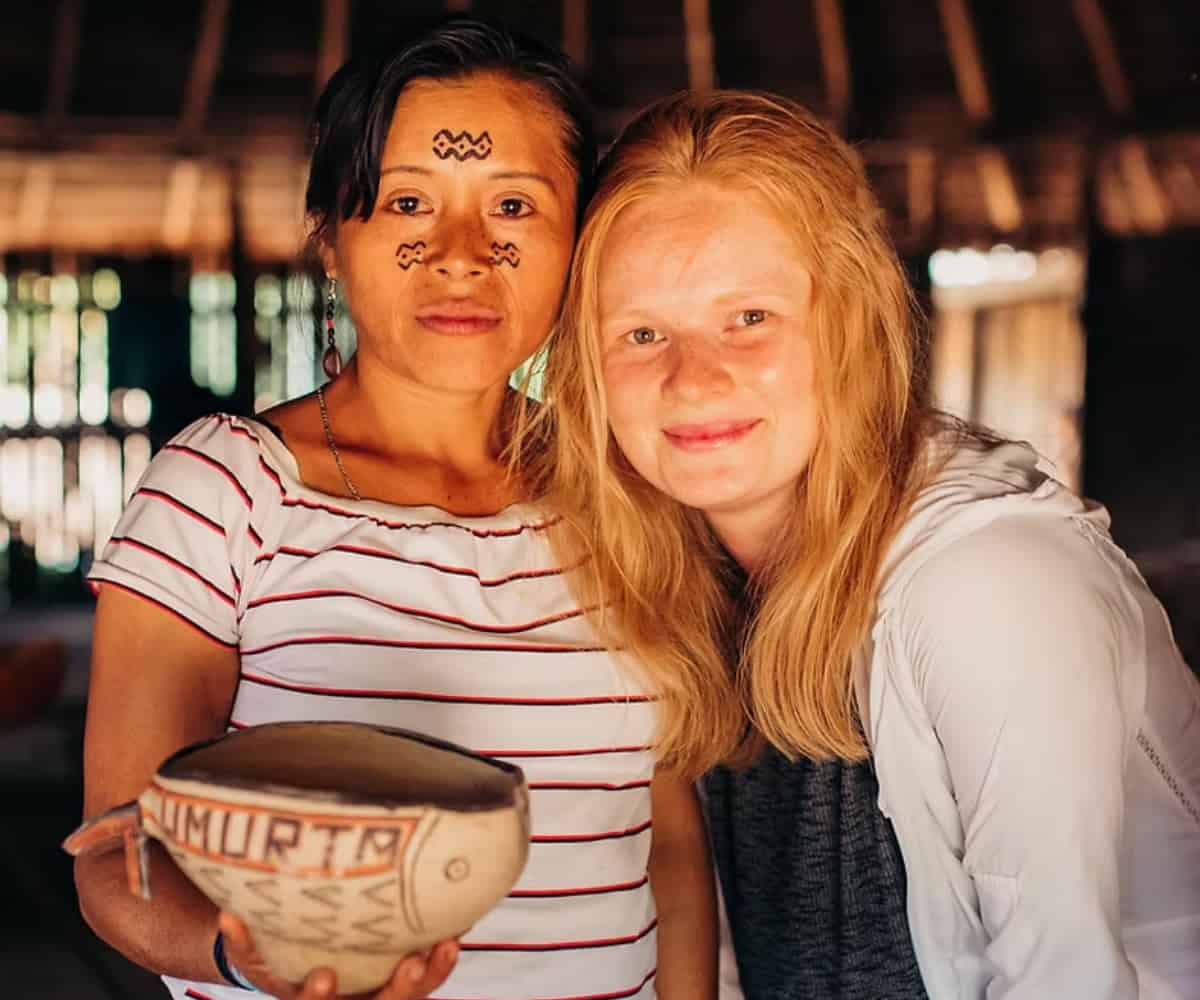
Journeys to this remote indigenous community are what help fund schools where children learn both Spanish and Kichwa, clinics where the nearest doctor isn’t a day’s journey away, and livelihoods that don’t depend on cutting the forest down to survive. All this is because the local Kichwa Añangu community runs the show entirely. This is their land, their operation, their future being written in real time.
This was the Añangu’s decision that changed everything. Deliberately, they chose to cease hunting and fishing in this stretch of the Amazon. Not because they forgot how, but because they understood the cost. Not easy, not romantic, they made a trade for something more uncertain: a future built on restraint instead of extraction.
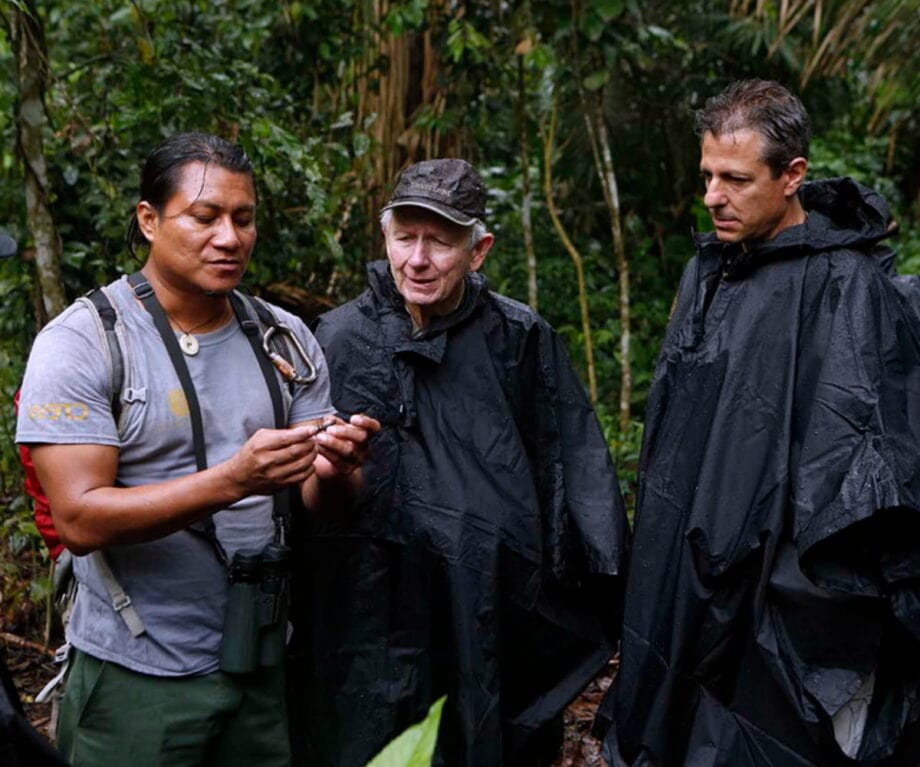
They made the pivot, and the bet paid off. Today, Napo Wildlife Center is recognized as the most successful community tourism project in Ecuador. But unlike other operations, here, the profits don’t get siphoned off onto some faraway corporate ledger. They double back—into classrooms, into a clinic, into the solid infrastructure of a community that knows it will outlast the boom-and-bust cycle of extractive tourism. It’s not perfect. Nothing real ever is. But it works.
Napo and a few other indigenous-based Ecuadorian eco-lodges are demonstrating that sustainable tourism can be a powerful tool for conservation and social development. Their approach combines biodiversity protection with the empowerment of their communities, who lead all lodge operations.

What’s encouraging is that Napo isn’t an outlier—it’s part of a quiet pattern. A handful of other Indigenous-run luxury eco-lodges are rewriting the rules of the game. Places like Sani Lodge, and Kapawi Ecolodge are remote, true, but not disconnected. They’re wired into the same idea: that a good, honest rainforest experience can provide adventure on one side, real benefit on the other.
There’s no touting an experience in pristine wilds while quietly chipping away at them. These lodges are doing something harder: Protecting biodiversity while building a future that actually works for the people who live there as well. No middlemen. No distant owners. The communities run the lodges, make the calls, and avail themselves of the advantages.
Everything you need to plan your trip in 2026
Private reserves and the economics of biodiversity
In addition to indigenous-led eco-tourism operations, a parallel model is now well established: privately managed reserves centered around eco-lodges at the upper end of the market.

Operators such as San Jorge Eco-Lodges and Mashpi Lodge maintain thousands of hectares of protected forest across ecosystems ranging from cloud forests to the Amazon basin. These sprawling reserves serve both for controlled-access tourism and as conservation zones where visitor revenue directly funds land protection and scientific research. Through this straightforward yet effective model, high-end exclusivity limits excess pressure on the environment while earnings revolve back into long-term preservation.
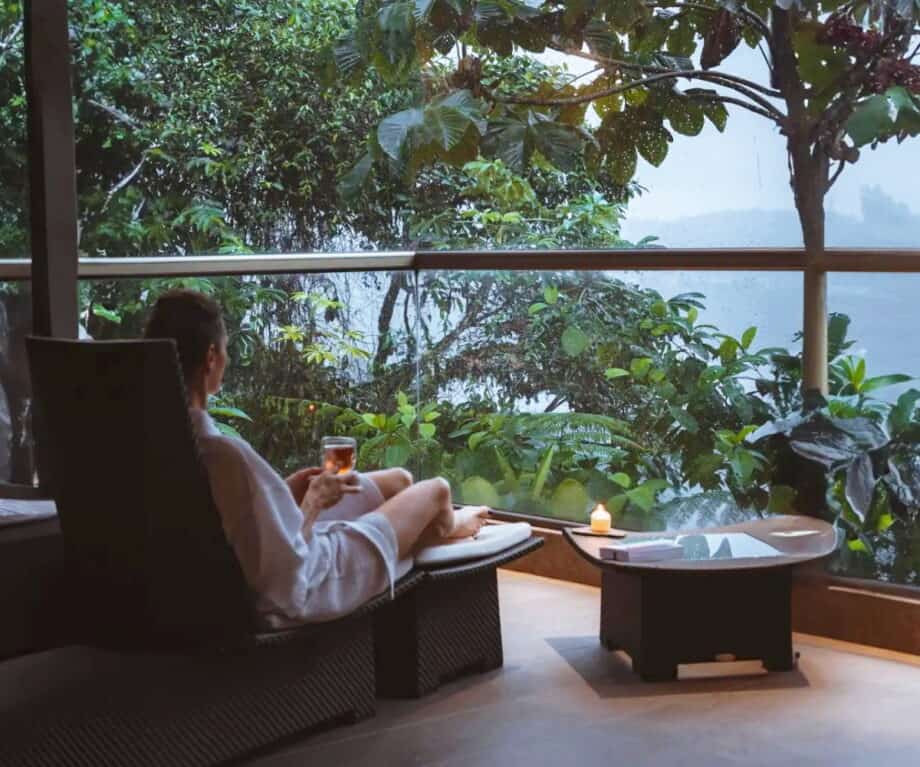
Other examples of this approach are the Black Sheep Inn, an award-winning ecolodge in the Ecuadorian Andes lauded for its zero-waste practices and community reinvestment, and the Amazon’s Kapawi eco-lodge, operating under rather wonky measurable frameworks such as carbon neutrality certifications, emissions reduction targets, and supply chain accountability.
Much more than mere symbolic efforts, these operations and practices reflect a shift in expectations among upscale travelers, who now scrutinize environmental performance as closely as they do service and design. in this context, “luxury” is no longer defined in terms of isolation from nature, but by integration with it.
The takeaway
For the traveler, it’s clear that where you stay makes an impact. And fortunately, Ecuador offers an entire range of sustainable tourism options – from indigenous-led enterprises, private reserves, community cooperatives, and high-end regenerative lodges.
Still, it’s your choice to determine whether your presence extracts—or sustains. It’s in your hands. You can choose to protect ecosystems (e.g., with carbon-neutral lodges), empower local communities (not foreign corporations), and help to preserve cultures (opting for indigenous guides and fair-trade crafts).

Sustainable tourism isn’t just about the environment—it’s about building equity, dignity, and future resilience for the people who call Ecuador home.
And that, ultimately, is Ecuador’s proposition. Not just a destination of extraordinary biodiversity, but a proving ground for a different kind of travel: one where luxury, conservation, and local agency are no longer competing priorities, but the same idea expressed in different forms.

Alfonso Tandazo
Alfonso Tandazo is President and CEO at Surtrek Tour Operator. Surtrek Tour Operator is a well-established firm, specializing in custom-designed luxury tours in Ecuador, the Galapagos and throughout the rest of South America. If you would like to be a guest blogger on A Luxury Travel Blog in order to raise your profile, please contact us.
Did you enjoy this article?
Receive similar content direct to your inbox.
Please enable JavaScript in your browser to submit the form
Please visit:
Our Sponsor
Related Posts

Why fewer options means more bookings
Picture this: Caroline is a business traveler who has stayed…

Ready, Set, Jet: Turn Your 2026 Travel Resolutions into Reality at the Metrobank Travel Fair this Feb 20-22
MAKATI, PHILIPPINES — We all have that "someday" list, especially…
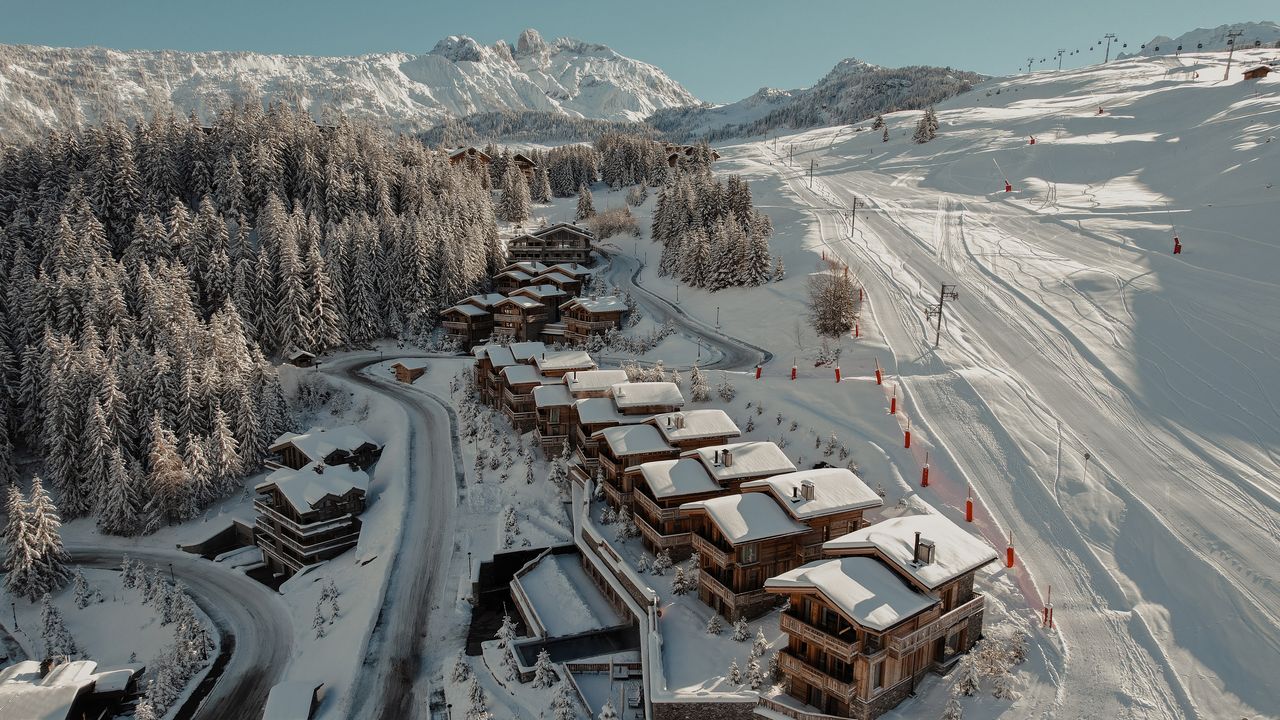
Best hotels in Courchevel for a snowy mountain stay this ski season
Now the Saint Tropez of the slopes and home to…